Full Home Renovation in Karachi

Whole-house renovation run on a written BOQ and stage payments — paint, tiles, ceilings, kitchen and baths under one accountable supervisor.

💬 Book on WhatsApp

A full home renovation is the biggest cheque most Karachi families write outside the purchase of the house itself. It is also the job where the old way of working — one lump-sum quote, a fat advance, no paperwork — does the most damage. Our answer is structure: a room-by-room BOQ, a stage plan, and payments that follow proof.

Planning ranges first, so you can budget before you ever call us. A complete finishing renovation in Karachi — paint, tiles, ceilings, kitchen and bathroom upgrades — runs at roughly Rs 2,500–4,500 per square foot at standard specification, and Rs 5,000–8,000 per square foot for luxury interiors with imported finishes and wardrobes. Grey-structure repair alone (masonry, plaster, roof repair, demolition) sits lower, around Rs 800–1,200 per square foot. These are planning ranges drawn from published Pakistani contractor rate guides (October 2026). Your real number comes from the BOQ we write after surveying your house — and that number is the one we are held to.

What a full renovation actually covers

A full renovation is not a paint job with new curtains. Done properly it touches every system in the house. We start with the bones: cracks and seepage repaired, roof waterproofing checked, plumbing lines pressure-tested and wiring inspected, because fresh paint over dying pipes is money thrown away.

Then comes the finishing everyone sees — floor tiles or marble, wall paint or texture, false ceilings with lighting, kitchen and bathroom remodels, wardrobes and doors. On a typical DHA or PECHS house the sequence runs demolition and civil repairs first, plumbing and electrical rough-in second, tiling third, then joinery, paint and fittings at the end. Each stage is photographed and reported before the next begins.

  • Civil repairs: plaster, crack repair, seepage and damp treatment
  • Roof and bathroom waterproofing before any finishing work
  • Plumbing and electrical renewal where the survey shows age or damage
  • Flooring: local porcelain tile typically Rs 410–650 per sq ft installed; local marble Rs 290–510 per sq ft installed
  • False ceilings, lighting and wall textures
  • Kitchen and bathroom remodels (see their own pages for detailed rates)
  • Wardrobes, doors, polish and final snag fixing before handover
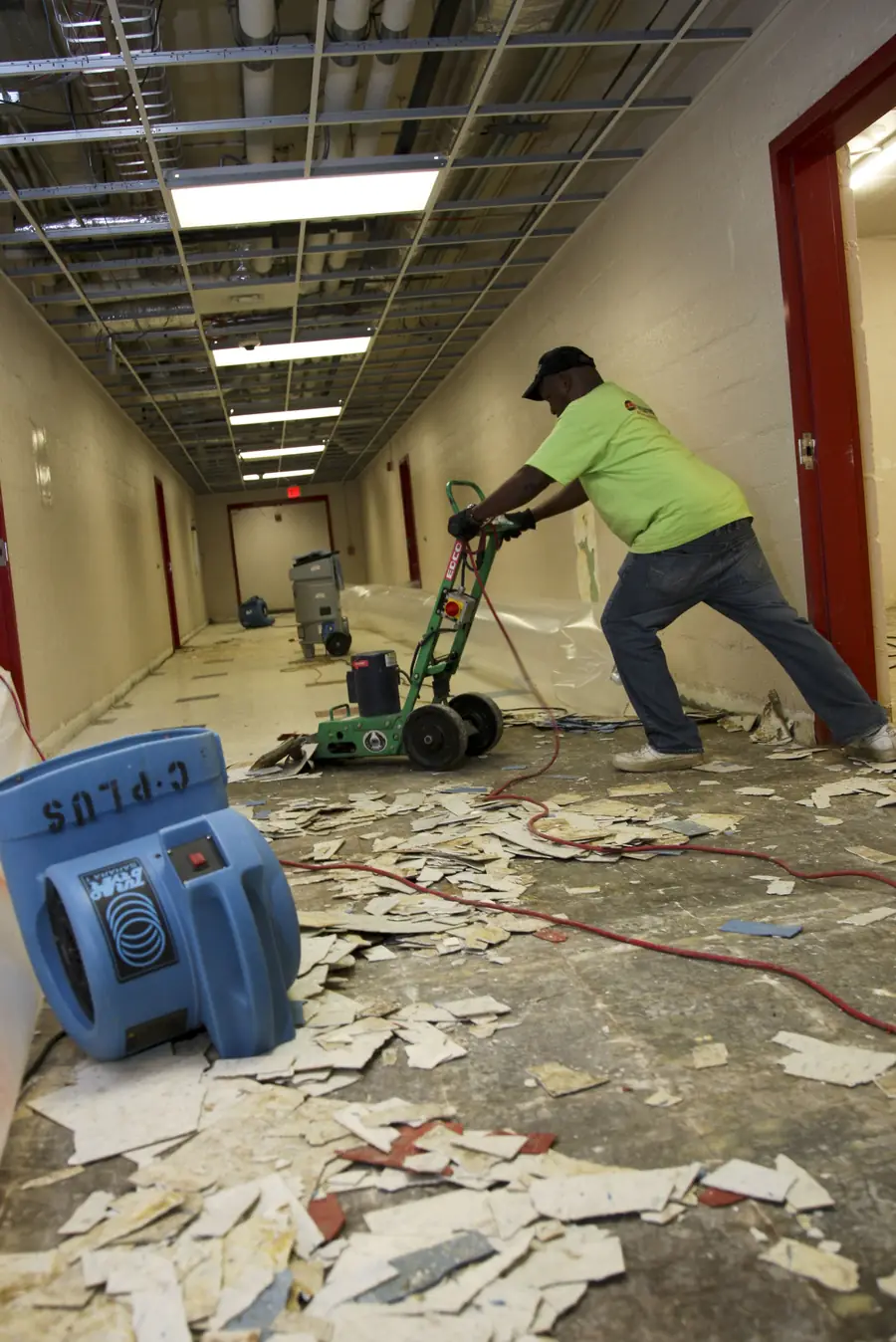
Worker removing old floor tiles during the demolition stage of a renovation
Stage one of most full renovations: old finishes come out so the structure underneath can be inspected. (Illustrative image)

What whole houses cost in Karachi — real planning numbers

Per-square-foot rates help, but families think in house sizes, so here is the same math in marlas. A basic full renovation of a 5 Marla house (about 1,125 sq ft) typically lands between Rs 15–25 lakh. A 10 Marla house runs Rs 25–45 lakh at standard specification, and a 1 Kanal house Rs 45–65 lakh. Luxury specifications — imported tiles and stone, custom wardrobes, designer lighting — push a 1 Kanal project to Rs 1.2–1.8 crore. These ranges come from published contractor rate cards; two houses of the same size can sit at opposite ends of a range depending on how much plumbing, wiring and civil repair the survey finds.

The honest way to read these numbers: they are for budgeting, not for signing. Anyone who gives you a final price without opening a single switchboard or checking under a single tile is guessing with your money. Our survey is free, and the BOQ that follows it is itemised down to the brand of fitting — so when a rate changes, you can see exactly which line moved and why.

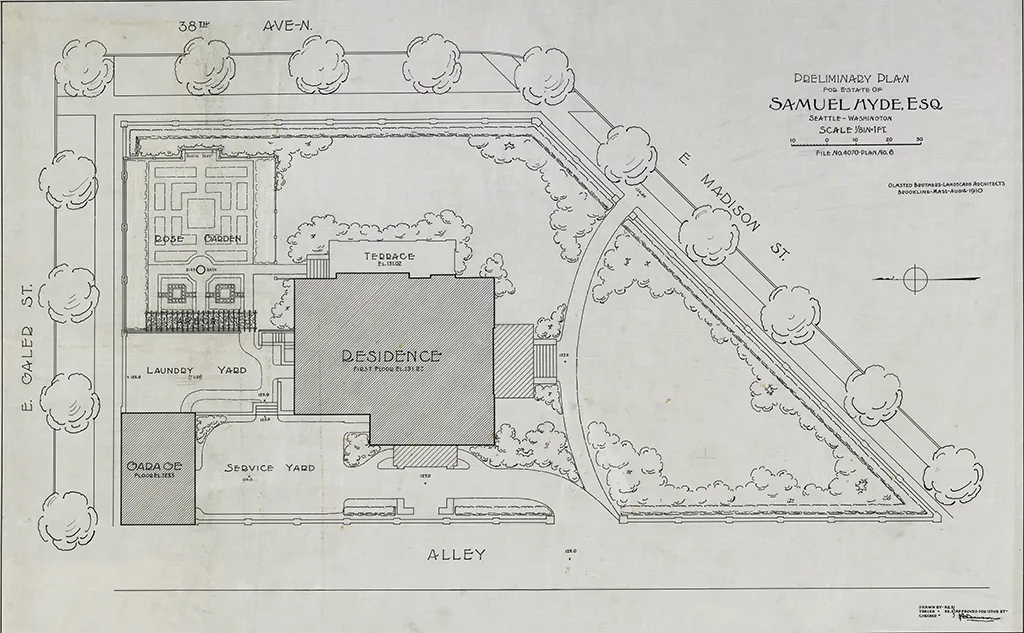
House plan used to measure rooms and prepare the renovation BOQ
Every full renovation starts with measurements and a written plan — not a verbal estimate. (Illustrative image)

The stages your money follows

We split every full renovation into payment stages tied to visible results. A typical split runs: demolition and civil repair, plumbing and electrical, tiling and flooring, joinery and kitchen/bath fitting, paint and polish, and final snag-and-handover. You release a stage payment when the stage report — photos, a short video walk-through and the BOQ lines it covers — lands in your WhatsApp.

This protects you in both directions. Your money is never more than one stage ahead of the work, and the contractor is never out of pocket begging for the next instalment, which is when corner-cutting usually starts. Our supervision fee of 10–15% of project value is declared in the same document, so you can see precisely what our oversight costs.

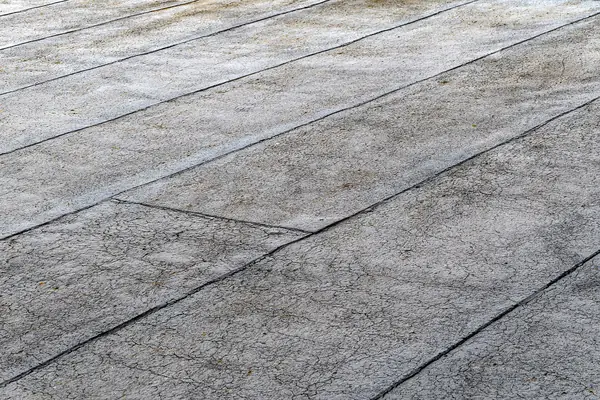
Bituminous waterproofing membrane being laid on a flat roof
Roof waterproofing is invisible once covered — which is exactly why it is photographed and reported at this stage. (Illustrative image)

Old Karachi houses: what the survey usually finds

Houses in DHA's older phases, Clifton and PECHS were mostly built between the 1970s and the early 2000s. The pattern repeats: galvanised plumbing at the end of its life, wiring that predates modern loads, seepage from bathrooms into the rooms below, and paint hiding hairline structural cracks. None of this is a reason not to renovate — these are solid houses in irreplaceable locations — but it is why the finishing budget must leave room for the invisible work.

Our survey report lists these findings openly, with photos, before you commit to anything. If the bones need more than your budget allows, we will tell you to shrink the finishing scope rather than skip the plumbing. A house renovated that way stays renovated; the other kind starts peeling within two monsoons.

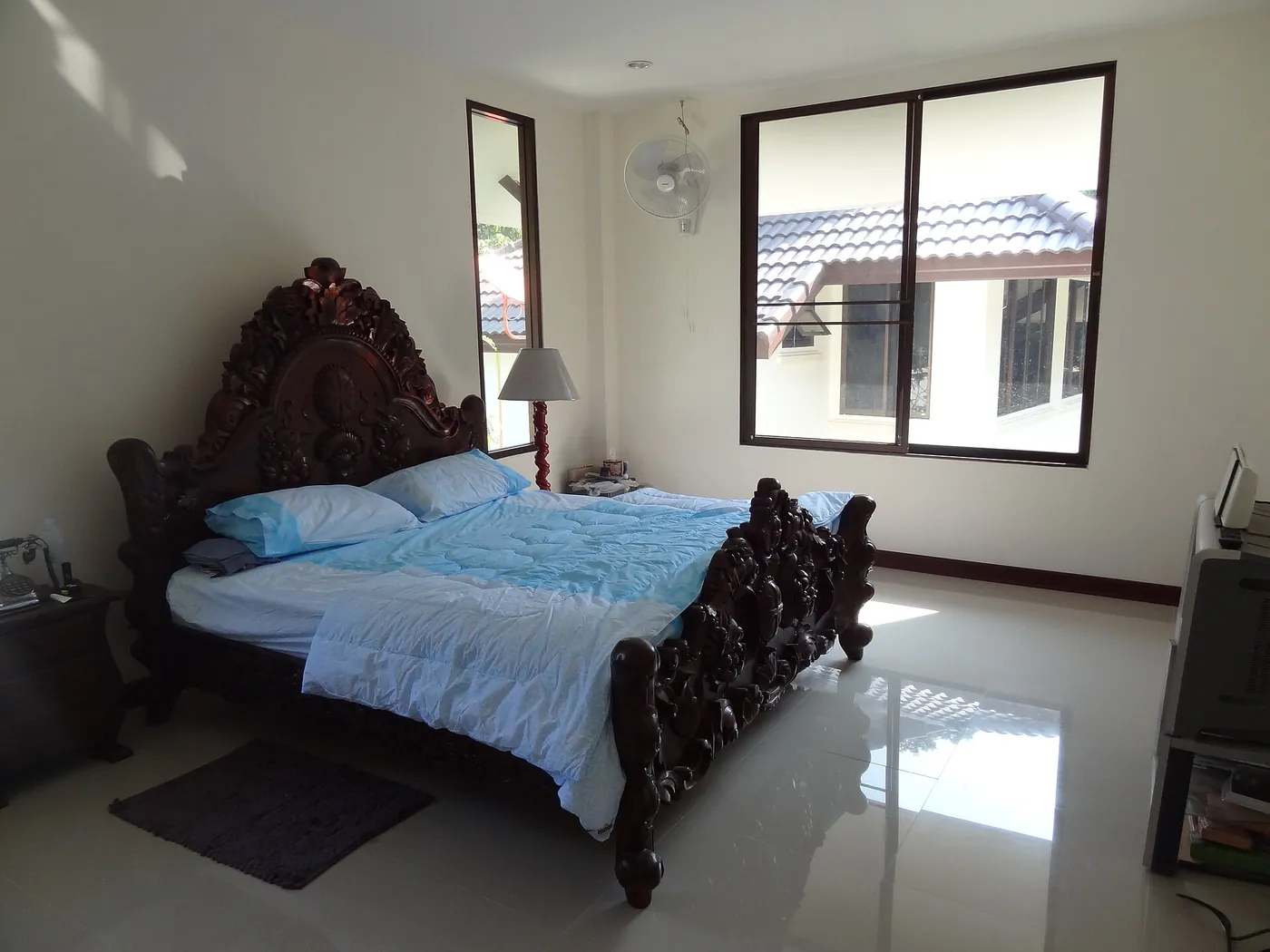
Bedroom with polished wooden furniture and glossy tiled floor after renovation
Bedrooms are usually the last rooms finished — wardrobes, polish and paint once the dusty stages are done. (Illustrative image)

Renovation or rebuild? The honest comparison

Owners of old houses in DHA and PECHS often ask whether they should simply demolish and rebuild. The published numbers frame the answer: a complete new standard house in Karachi costs roughly Rs 4,300–5,500 per sq ft to construct, against Rs 2,500–4,500 per sq ft for a standard full renovation — and construction guides that price turnkey premium builds put new-build higher still. Renovation also keeps your existing approvals, your boundary walls, your trees and your address, and it finishes in months rather than the year-plus a rebuild demands.

Rebuilding wins in exactly two situations: when the structure itself is compromised beyond economic repair, or when the layout is so wrong for modern life that no internal rework fixes it. Both are survey questions, not sales questions. Our condition report answers them in writing — and if the honest answer for your house is 'rebuild', the report says that too, even though it costs us the project. A supervision business that survives on referrals cannot afford a single house renovated on a lie.

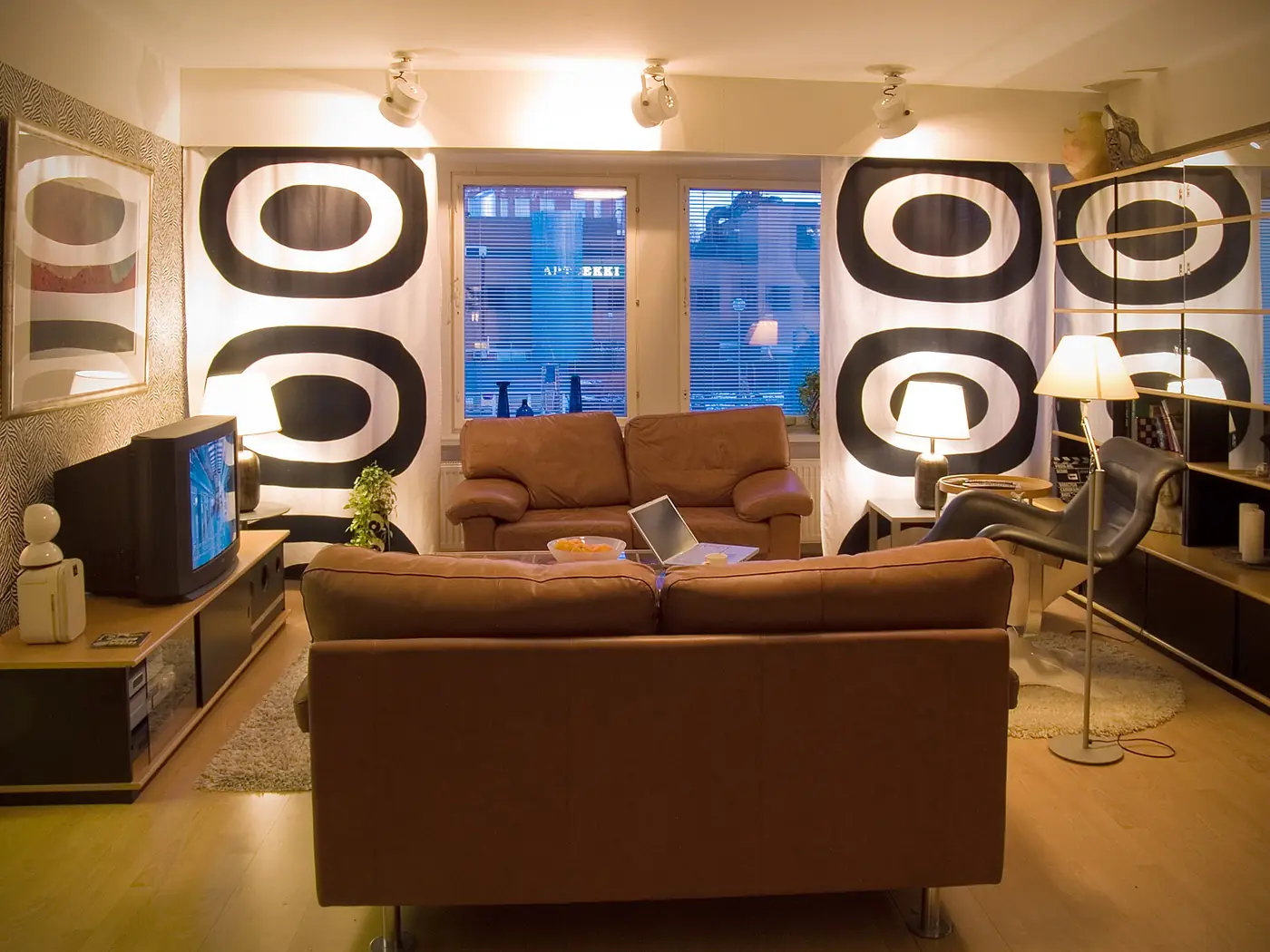
Dated living room with old-fashioned furniture and decor
Dated is not the same as decayed — most old Karachi interiors need systems renewal and finishes, not demolition. (Illustrative image)

Where the money earns most: room priorities

If the full scope does not fit the budget, cut in the right order. Bathrooms and plumbing first — they protect the house and decide daily comfort. Kitchen second — it is the hardest-working room and the second thing buyers and tenants judge. Electrical safety and roof waterproofing alongside them, always, because they protect everything else. Paint and finishes next, since they transform how the house feels at the lowest cost per square foot. Decorative upgrades — textures, feature ceilings, premium wardrobes — last, and only with what is left.

This ordering is also how we phase projects: a master BOQ for the whole house, contracted in the order above. Families commonly run bathrooms and systems in phase one, kitchen in phase two, and finishes in phase three across a year. Each phase ends as a complete, paid-for, documented result — never as a half-open house waiting for the next budget.

Problem → Solved Properly

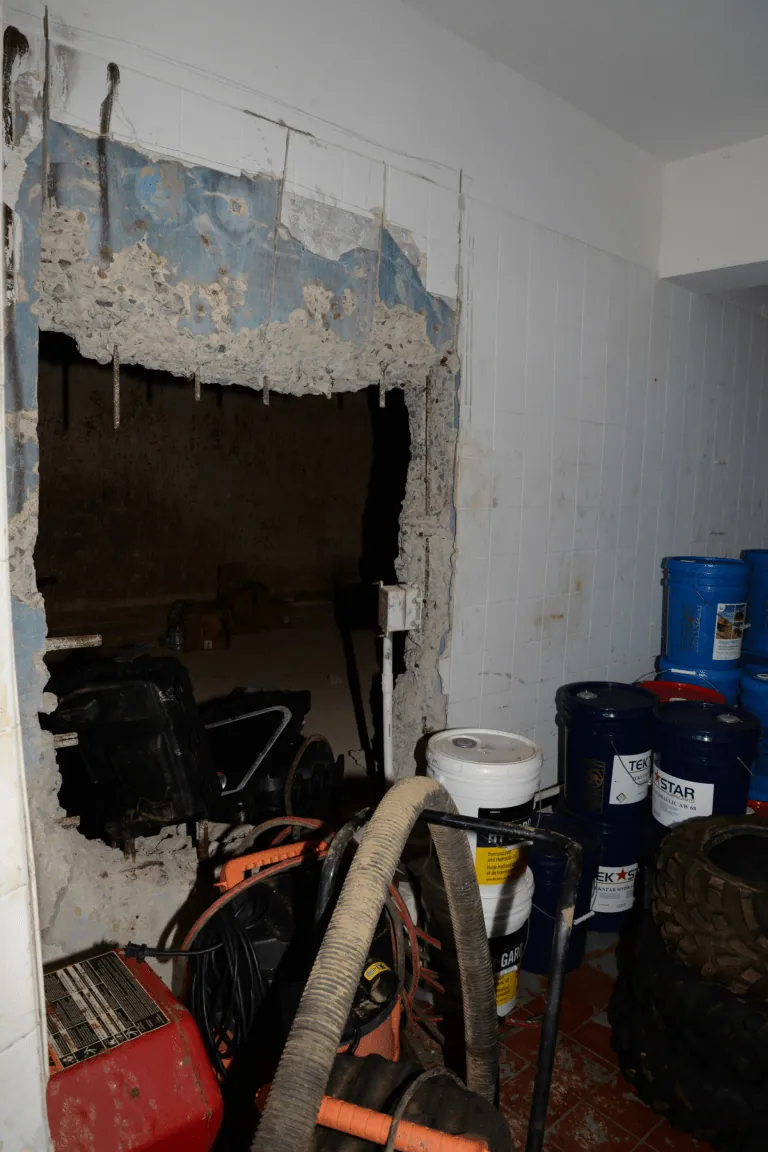
Wall with damaged plaster and peeling paint opened up during renovation
PROBLEM

Peeling paint, damp patches and cracked plaster are symptoms. Treating only the surface means the problem returns within a season or two.

➜
Renovated dining area with wooden panelling and a fresh, bright finish
SOLUTION

We open up the damaged area, fix the cause — seepage, salts or failed plaster — and only then rebuild the finish. The repair is photographed at every step.

Frequently Asked Questions

How much does it cost to renovate a 10 Marla house in Karachi?

At standard finishing specification, a 10 Marla (about 2,250 sq ft) full renovation typically runs Rs 25–45 lakh based on published Karachi contractor rate guides. Premium specifications reach Rs 50–65 lakh and luxury interiors Rs 70 lakh to 1 crore. Your exact figure comes from the itemised BOQ we prepare after a free survey — the survey decides how much plumbing, wiring and civil repair your house actually needs.

How long does a full home renovation take?

A flat usually takes 6–10 weeks and a house 10–16 weeks, depending on scope and how much civil and plumbing work the survey uncovers. The stage plan in your BOQ carries the schedule stage by stage, and the weekly photo/video reports show you whether we are on it.

Do I have to move out during a full renovation?

For a whole-house renovation, yes — demolition dust, open plumbing and no working kitchen make living on site miserable and slow. For partial renovations (one floor, or bathrooms only) families often stay. We will give you a straight answer for your scope at the survey, before you sign anything.

Can you renovate my house in stages, floor by floor?

Yes, and many families prefer it for cash-flow reasons. We write the BOQ for the whole house but contract it floor by floor, so each stage is a complete, paid-for result. The warning we give everyone: plumbing stacks and roof waterproofing should never be split across stages, because they protect everything below them.

What exactly is in your BOQ?

Every line item: quantities measured on site, the material and brand specified, the rate, and the stage it belongs to. Sanitary fittings, tiles, paint, cable — named, not described vaguely as 'best quality'. Material invoices are shared with you as purchases happen, so what was billed is what went into your walls.

How do milestone payments work on a full renovation?

The BOQ is divided into stages — typically demolition/civil, plumbing/electrical, tiling, joinery and fittings, paint, handover. You pay the contractor for a stage after the stage report (photos, video walk-through, BOQ lines covered) reaches you on WhatsApp. You are never more than one stage ahead of finished work.

What does RenovateKarachi charge for supervision?

A declared supervision fee of 10–15% of the project value, written into the agreement before work starts. It covers the BOQ, contractor management, stage inspections, material invoice checking and the weekly reporting. You pay the contractor directly for each stage — your money does not sit in a lump sum with us.

Do you handle DHA and society permissions?

Interior renovation inside an existing house usually needs no structural approval, but DHA and Bahria have rules for external changes, façade work and working hours, and flats need society NOCs in many buildings. We flag what your project needs at the survey stage and help you line up the paperwork before the first worker arrives.
Our Services

Areas We Cover in Karachi

Start with a free survey and a written BOQ

Send us photos of your property on WhatsApp. We reply during working hours, book your free survey, and put every price in writing before any work begins.

💬 Book on WhatsApp
Enlarged gallery image